
China, 8th Oct 2026 — Residential solar purchasing is changing. Buyers are no longer comparing only panel wattage or system price. In 2026, homeowners, distributors, installers, and EPC companies are paying more attention to energy storage, inverter compatibility, backup capability, system efficiency, and long-term expandability.
Given the current climate, JSDSolar aims to develop its residential solar business through the integration of Home Solar Panels, battery energy storage systems, and inverters. JSDSolar will tackle the industry challenge that is currently lacking, that is the ability to build a coordinated energy system through a collection of components that comprise a solar energy system.
The holistic approach to system design as described above will also address the B2B customer’s challenge with configuration risk, complex installation, and challenging post-sales support in the market.
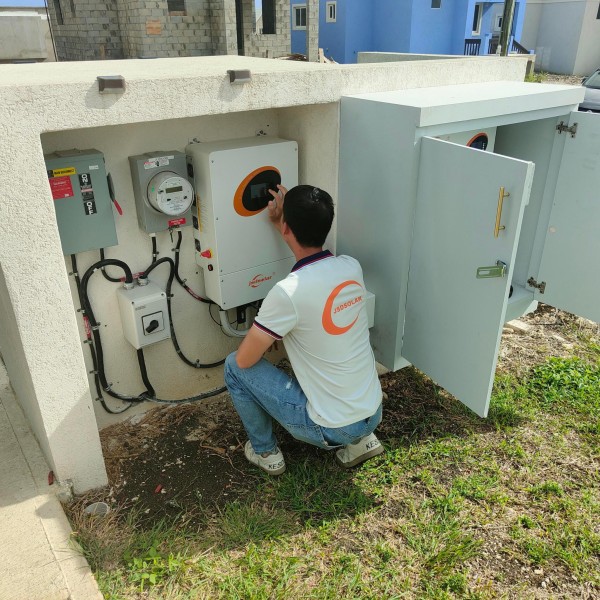
Residential Solar Is Moving Beyond Simple Power Generation
A traditional Home Solar Panel system mainly converts sunlight into electricity for daytime use. That model is becoming less suitable for many 2026 applications.
Electricity tariffs are more variable in many markets. Increased loads from air conditioners and heat pumps, EV chargers, home offices, and smart appliances mean that many regions suffer from weak grids and power outages.
A modern day Power System Solar solution has to offer more functionalities such as:
• Solar generation and self-consumption
• Battery charging and discharging
• Grid-connected and off-grid solutions
• Generating Backup Power to household critical loads
• Prioritization of the loads
• Energy Monitoring
• Remote Energy Monitoring and Data
• Future expansions of PV or battery
• The communication infrastructure of Inverters and Batteries.
This means that System Design should overlook Component Capacity, and focus on Coordination instead.
System Matching is a Critical Industry Issue
The greatest challenge with residential solar projects is that the components are mismatched. Having a bigger Home Solar Panel array does not make a better system. The PV Voltage, MPPT range, the battery voltage and discharge power, the backup power requirement, the inverter capacity, and the PV Array need to be considered.
PV Array Matching
The PV string should fall within the inverter’s operating voltage and MPPT.
Important considerations include:
• Module open-circuit voltage
• Number of panels per string
• Local temperature conditions
• MPPT voltage window
• Maximum PV input current
Poor PV matching can reduce energy utilization or create unnecessary clipping.
Battery Power Matching
Battery selection should not be based only on nominal kWh.
Installers should also evaluate:
• Continuous discharge power
• Peak discharge capability
• Battery voltage
• Recommended depth of discharge
• Charge and discharge current
• Compatibility with the inverter BMS communication
A battery with sufficient capacity but limited output power may still fail to support high household loads.
Inverter Capacity
The inverter must support both normal operating loads and temporary peak loads.
Common high-starting-current equipment includes:
• Refrigerators
• Water pumps
• Air conditioners
• Compressors
• Small workshop motors
For this reason, a Solar System Solar Panel design should consider load behavior instead of relying only on total rated wattage.
Inverter Power Solar Is Becoming the Control Center
The inverter is increasingly the control center of a modern residential energy system.
An Inverter Power Solar solution must do more than convert DC electricity into AC power. It may also coordinate PV generation, battery state of charge, grid import, grid export, and backup loads.
JSDSolar designs hybrid and storage inverter solutions for any residential energy need.
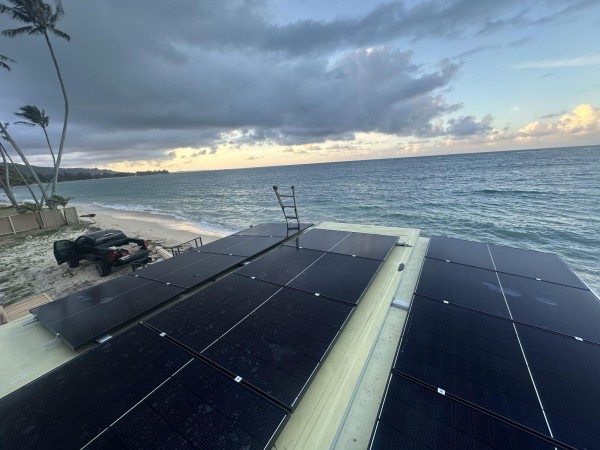
There are several key designs including:
MPPT Management
For panels that are turned a different way or are exposed to various levels of sunlight, multiple MPPTs can be utilized for better solar energy usage.
Battery Communication
The Inverter Power Solar system can be designed to communicate with battery management systems using one of the many existing protocols, for example, CAN or RS485.
Backup Switching
For rapid switching, it is important to allow critical loads to continue functioning during temporary interruptions in the electric grid.
Remote Monitoring
Installers and homeowners can check the status of the system and monitor faults.
To potential B2B customers, these features provide a level of ad ease to system service, monitoring, and maintenance.
Off Grid Solar Inverter Market Growth Is Expected to Be High
The market for Off Grid Solar Inverters is growing.
There have been changes in the market for Off Grid Solar Inverters with the use of Off Grid Solar Inverters expanding beyond use in remote residential locations. They are now being used in farm, villa, workshop, island, and other off-grid applications along with backup power for residential use.
A quality Off Grid Solar Inverter is determined by many different factors.
Continuous Output Power
This depends on the continuous operational load the inverter can support.
Surge Capability
This is important for starting operations of devices such as compressors, pumps, and motors that require a surge of power well beyond the continuous operational load.
Battery Architecture
Battery voltage and current affect cable sizing, system efficiency, and installation design.
PV Input Range
The inverter must remain compatible with the selected module string voltage under different operating conditions.
JSDSolar uses these parameters to develop Power System Solar configurations around real load requirements rather than nominal system size alone.
B2B Buyers Need Standardization and Flexibility
Residential solar distributors face a difficult balance.
Having an excess of system combinations leads to surplus inventory and training and support. Not enough options can prevent servicing multiple markets.
JSDSolar has tackled this problem by utilizing a line of core components that can be tailored to a variety of system builds.
Configurable B2B systems include:
• Various capacities of solar homes panels
• Inverter power levels
• Power levels of battery systems
• Grid-connected or off-grid systems
• Backup load capacity
• Volatile standards for regional grids
• Custom packing for installers and distributors
This can be used for installer and distributor kits, project-based supply, and customizable residential solar systems.
It can be used for selling complete Solar Panel systems rather than selling individual products.
Consumers Want Greater Visibility and Control
An additional large change expected by 2026 will be the visibility of energy.
Homeowners want to know:
• How much energy the solar panel system is producing
• How much energy is consumed
• How much a battery is charged or discharged
• How much energy is imported from the grid
• How backup power is controlled
• How well the system performs over time
For inverter power systems, monitoring is a necessity.
For installers, a system’s remote monitoring can allow them to troubleshoot systems easily. For distributors, it can help avoid unnecessary support calls. For homeowners, daily energy usage system monitoring helps.
JSDSolar Emphasizes Complete Energy Architecture
For JSDSolar, building out the residential solar system in 2026 is not about a single stand-alone product.
The company combines Home Solar Panel solutions, battery storage, Inverter Power Solar equipment, hybrid systems, and Off Grid Solar Inverter products into a broader Power System Solar architecture.
The objective is to help B2B partners address the factors that increasingly influence purchasing decisions:
• System compatibility
• Backup capability
• Battery storage
• Installation efficiency
• Remote monitoring
• Load management
• Future system expansion
As residential solar systems become more complex, these factors are becoming as important as panel wattage or initial equipment cost.
About JSDSolar
Founded in 2005 and headquartered in Shenzhen, China, JSDSolar is a high-tech solar energy company with a production area of more than 6,000 m². The company designs and develops residential and commercial solar solutions, including all-in-one solar systems, stackable systems, lithium batteries, and solar inverters.
JSDSolar products are exported to more than 100 countries and regions. The company has achieved nearly 150,000 units of annual inverter output, about 100,000 solar home system applications, over 30 R&D team members, and more than 50 product patents, supporting long-term and scalable solar energy deployment.
Contact JSDSolar
Tel: +86 13530696687
Email: service@jsdsolar.com
After-Sales: aftersale@jsdsolar.com
Address: No. 68, Baigongao Industrial Zone, Xikeng New Village, Guanlan, Longhua District, Shenzhen, China
Media Contact
Organization: JSDSolar
Contact Person: JSDSolar
Website: https://www.jsdsolar.com/
Email: Send Email
Contact Number: +8613530696687
Address: No. 68, Baigongao Industrial Zone, Xikeng New Village, Guanlan, Longhua District, Shenzhen, China
Country: China
Release id: 49763
The post JSDSolar Strengthens Home Solar Panel Solutions for 2026 Residential and B2B Energy Markets appeared first on King Newswire. This content is provided by a third-party source.. King Newswire makes no warranties or representations in connection with it. King Newswire is a press release distribution agency and does not endorse or verify the claims made in this release. If you have any complaints or copyright concerns related to this article, please contact the company listed in the ‘Media Contact’ section
Disclaimer: The views, suggestions, and opinions expressed here are the sole responsibility of the experts. No Digest Pulse journalist was involved in the writing and production of this article.